
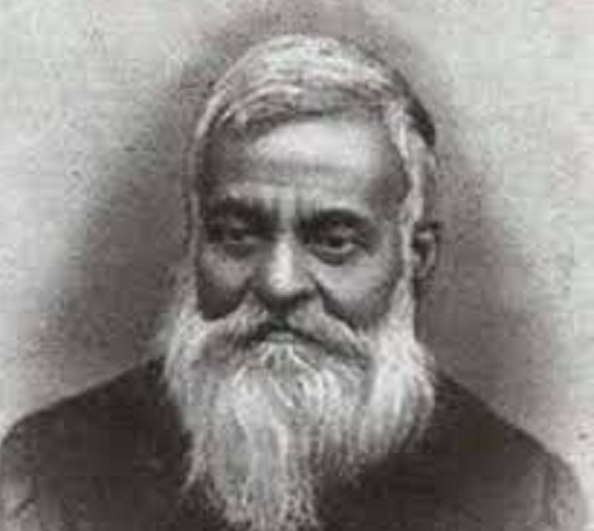
Trailokyanath Chakraborty was born in Kapasatia village of Kuliarchar upazila of Kishoreganj district, Greater Mymensingh. His father’s name was Durga Charan Chakraborty, who was a supporter of his father, the Hobari movement. In 1905, students of Dhala High School of Trailkaynath Birkarek were here. In 1906, during his Swadeshi movement his son Chandramohan Chakraborty was admitted to Sattripara High School. At that time, two teachers at Septara School were Mohim Chandra Nandi and Shital Chakraborti Mohim Chandra Nandi, for some time in jail, for some time in the jail of jail, in the jail, Tilokyanath Chakraborty was released from jail for the first time in 1909, Shital Chakraborty was present in the jail.
Just before the entrance examination was completed for the 1908 revolutionary work, formal education ended. In 1906 he joined the Education Society. By creating a nationally motivated organization of exercise, the revolutionary unit will be built in its own district. He came to Dhaka in 1909 and when the Dhaka Judicial case began to look for him in the police, he was abducted. During this time, the Ghat was built in Agartala Udaipur hill area. In 1912, he was arrested. The police were involved in a murder case but they were released due to lack of evidence. In 1913-14, Malda, Rajshahi and Comilla went around and installed Gupta Astana. In 1914, the police arrested him in Calcutta and sent Barisal Terror Case to Aslam as he sent the responsibility of South Kolkata national education institute on the advice of Deshbandhu Chittaranjan Das, released in 1924. Arrested in 1927, sent to Mandalay prison in Burma. In 1928 he was brought to India and detained on the island of Noakhali Haatia. In that year, he will go to northern India and join the Hindustan Republican Army with Chandrasekhar Azad. After the order of the revolutionary party, go to Burma to contact the Burmese revolutionaries. He joined Lahore Congress in 1929 and was arrested in 1930 and was released in 1938.
In that year, he joined the Ramgarh Congress by contacting Subhas Chandra Basu. In connection with the Sepoy Mutiny in World War II, the Indian army did not have the facility. In 1942, the freedom movement of India was arrested and was released in 1946.
In 1946, there was an attempt to build an organization in Noakhali. After the liberation, the progressive party attached to the politics of East Pakistan, elected in 1954, was elected as a candidate in the East Pakistan parallel. But his election was ignored in 1958 and his campaign continued on political activities and even social work. Until 1970, Gautam Buddha Bose came to Calcutta for treatment and died there for this time in Delhi for his welfare.